
Trends In Packaging 2026
In 2026, brands cannot treat food packaging as a simple necessity that brings goods to market. It’s now a high-stakes touchpoint that impacts your regulatory compliance, the perception of your brand, and your customers’ experience with your food. The packaging you choose for your business can—and should be —a strategic asset for your business. So, how do you capitalize on it? Well, you can start by taking note of the Trends In Packaging and how packaging will change this year.
Consumer Trends in Food Packaging
In many cases, the packaging their food comes in is a customer’s first or last experience that customer has with your brand. It can set the tone for the entire meal and keep them coming back for more—or drive them into your competitors’ arms.
Two demographics of increasing importance are Millennials and Gen Z. These two generations are either entering or have entered the workforce, and they’re changing how business is done both as producers and as consumers.

Gen Z & Millennials Rise
Gen Z is no longer the up-and-coming generation. Now, the members of Gen Z are 14 to 29 years old, and the older members are eagerly flexing the financial muscles that come with entering the workforce.
Millennials and Gen Z combined now control 32% of spending on consumer-packaged goods, general merchandise, and quick-service restaurants. While Millennials, ages 30 to 45, make up most of that statistic, Gen Z’s share has more than doubled in five years. Their meteoric rise will only continue as more of them come into age and join the workforce. Therefore, it’s important to get on their radar now.
As of 2026, Millennials are the generation most likely to have kids. Perhaps because of this, they’re spending more money at the grocery store than other generations, and they’re prioritizing healthy and fresh foods. That said, they also have a desire to get more for their money and want to see businesses that reflect their values:
- They spend 8.6% more on groceries than the average consumer
- They prefer fresh, organic, and/or high-protein foods
- They prefer spending for experiences and crave adventure
- 74% believe companies should be environmentally sustainable
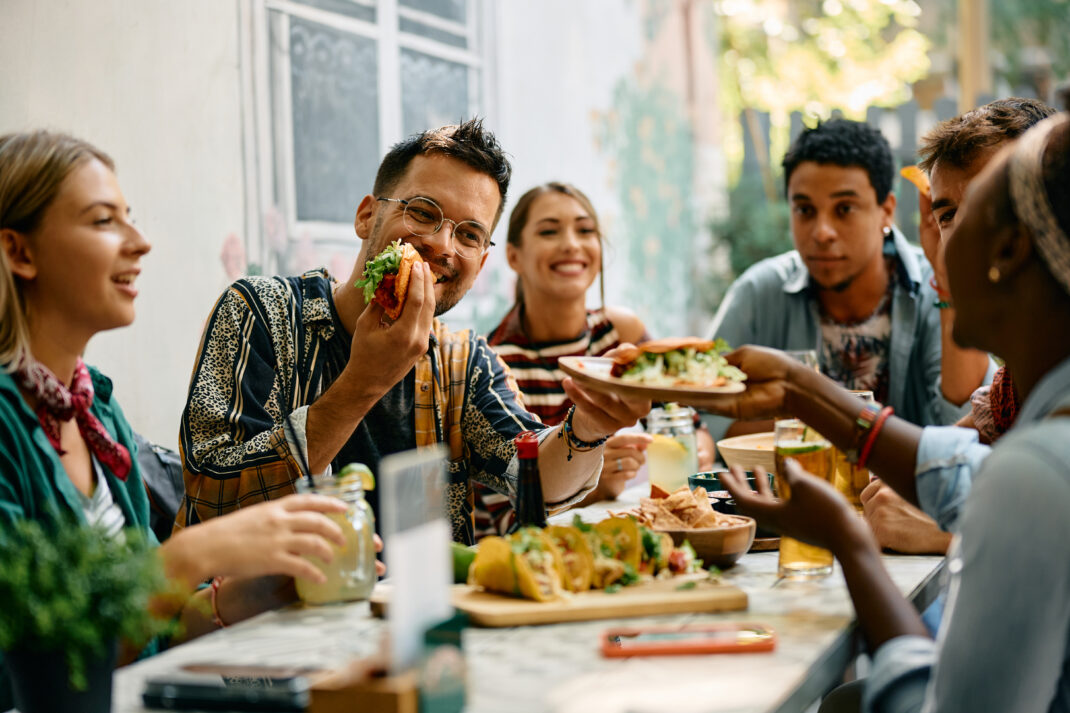
Gen Z, meanwhile, wants to spend their hard-earned money most on restaurants, bars, and dining out. They feel disconnected from brands and crave authenticity and, perhaps ironically, nostalgia.
More than other generations, Gen Z says they’re willing to switch away from a brand because they grew tired of it. That’s why it’s important to make sure your brand delivers value consistently and communicates often and authentically.
How to Connect to Millennials and Gen Z
With so much purchasing power, and it’s growing every year, it’s obvious to see why brands want to connect with Millennials and Gen Z.
Both Millennials and Gen Z are fans of nostalgia, so retro designs and logos appeal to them. You can use a custom packaging line and old elements of your brand or add retro touches to your design to evoke those feelings of nostalgia.
Millennials’ craving for experience can be tapped into with custom-built packaging. Packaging that is unique and tactile can elevate the experience customers have with your food. In turn, this transforms the typical act of opening a package into an unboxing experience.
Similarly, Millennials’ preference for companies that are environmentally sustainable is an opportunity. By using paper packaging or other environmentally-friendly packaging, you can stand apart from and above competitors that use less eco-friendly materials. Given the growing prevalence of EPR programs, switching to paper packaging could help you save on compliance costs AND capture more customers.
Additionally, while both Millennials and Gen Z are prioritizing eating healthy food, Gen Z specifically craves convenience, too. Expect to see a rise in healthy snacking—smaller, convenient, ready-to-go yet healthy foods like roasted nuts, dried fruit, and veggie chips.
Custom packaging can also promote your social media presence, which is crucial to connecting with Gen Z and Millennials. These consumers don’t just use social media, they make purchases off of it, consume ads on it, and use it to research where they want to spend their money. They don’t just want packaging, they want it to be camera-ready so they can post their glamorous dish to Instagram. Designing packaging that encourages customers to connect with you online helps keep you top-of-mind with these up-and-coming generations. After all, connecting with your customers where they are is a wise investment, which brings us to the design trends of 2026.
Design Trends in Food Packaging
2026 will be an interesting year for food packaging. One intriguing trend we expect to see continued in 2026 is that of brands experimenting with digitally-enhanced packaging. These are food packaging that come with any number of digital tools, including QR codes, digital watermarks, near-field communication, and augmented reality.
Simultaneously, as brands experiment with switching from plastic to paper food packaging, we’ll see a renewed emphasis on barrier technology as brands look to achieve a high level of temperature performance and moisture resistance.
Additionally, some old problems remain, such as protecting food from tampering and theft. Smart brands will find cost-effective solutions to these challenges that integrate well into their operations.
Packaging as a Brand Storytelling Asset
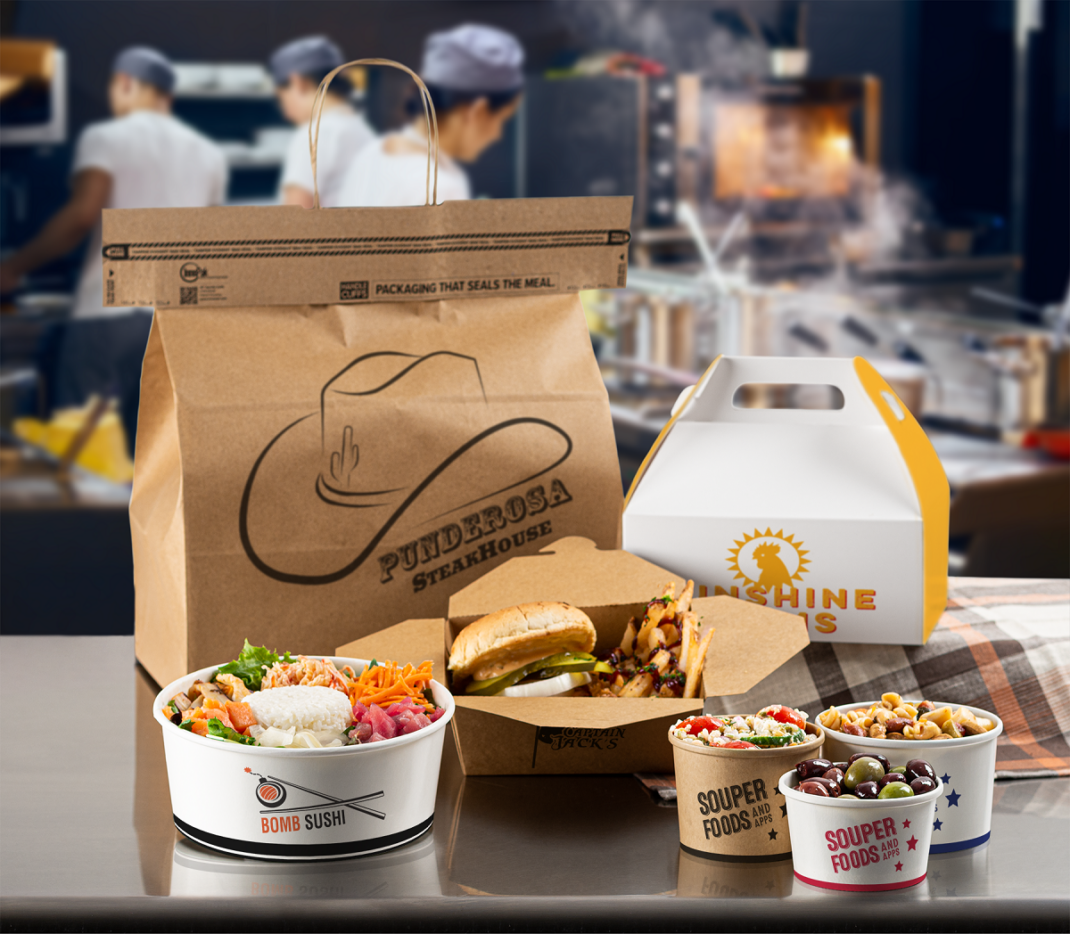
Food packaging is no longer just a means to bringing goods to market, it’s also an avenue for smart storytelling that builds your brand’s value. Every box, carton, and bag is an opportunity to tell your brand story.
Many brands will use their packaging as a messaging board to talk about the sustainability choices they’re making, especially this year as EPR programs influence the cost-benefit balance. Smart brands will seize on the opportunity to differentiate themselves from and above their competition.
As new materials come into play, they’ll present opportunities for storytelling about their capabilities and advantages. Integrating new technologies, like augmented reality and near field communication, will likewise give more capabilities for telling stories.
Having a food packaging partner that can help you turn these ideas and opportunities into real, custom packaging that delivers value for your business. Custom packaging not only enhances your brand recognition, it differentiates your products and it can even increase your revenue and profit margins. At Inno-Pak, we make custom packaging for some of the largest brands in America, and we have a broad base of graphic and structural design capabilities that can help you elevate your brand effectively.
Safety Innovations: Tamper-Evident Packaging & Barrier Tech Solutions
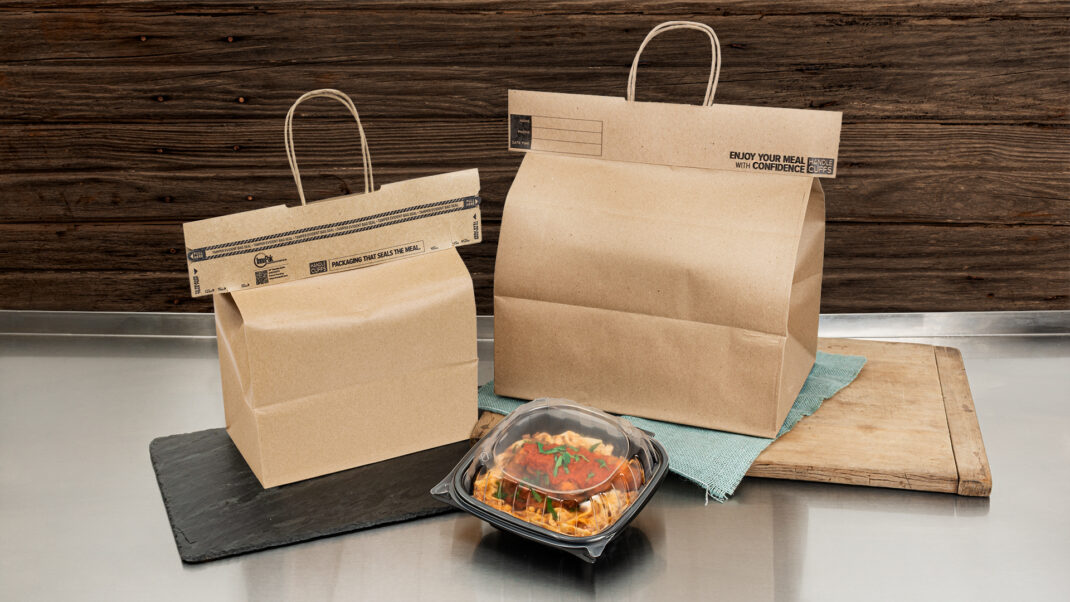
Tamper-evident packaging has always been around, but it’s expected to grow from $2.06B to $3.73B over the next 10 years. Not only will it be on the shelves of grocery stores, but there will also be growth in foodservice tamper-evident packaging as restaurants deal with delivery driver theft and want to protect their reputations while ensuring customers get what they paid for.
Expect to see brands look into adopting tamper-evident packaging. Tamper-evident food packaging protects your business and your customers from theft, protects your reputation with your customers, and gives everyone peace of mind.
When evaluating tamper-evident packaging, you want something that does more than just protect your orders. It should integrate well into your busy operation, be simple to use, not complex, and provide comprehensive protection, not just security theater. Inno-Pak’s Handle Cuffs™ are one such solution. They seal an entire bag’s worth of food quickly, easily, and totally, so you can worry less about protecting individual items.
As brands shift from plastic to paper (another trend you can expect), they’ll also revisit barrier solutions for their materials. These solutions are trying, in part, to fill the gap left by PFAS while keeping packaging recyclable, compostable, or otherwise sustainable. Expect to see new and innovative solutions that protect food from harm or leaks while maintaining a high standard for brands’ eco goals.
Digitally Enhanced Packaging
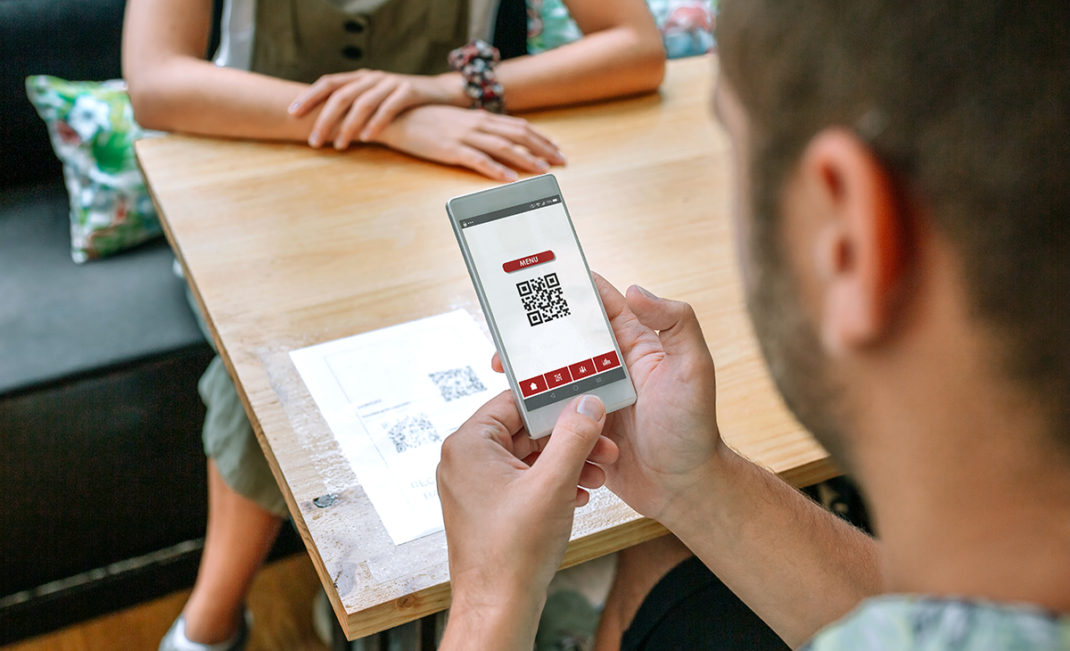
Another trend we expect to see more of in 2026 is the use of digitally enhanced food packaging. These are the QR codes and other tools used to connect people to their favorite brands through their phones.
QR codes are a quick and effective way to turn your packaging into a valuable business asset that brings your customers back again and again. You can use a QR code to:
- Link to your menu
- Promote downloads of your app
- Promote loyalty and rewards programs
- Give out coupons
- Connect on social media
- Encourage reviews
- Share your brand’s story
In addition to QR codes, brands will also use tools like augmented reality and near-field communication. Augmented reality will let brands engage in futuristic storytelling, like the way the 19 Crimes wine bottles can come to life and explain the lives and crimes of the people featured on the bottles. Or, you can use it to show a farm where you get some of your ingredients.
NFC opens up a world of possibilities in fighting counterfeiting and sharing digitally rich content like customer reviews, pairing tips, stories about your brand, and information about how and where you source your ingredients. It could also be used as a tool in compliance management, which brings us to our last trend—sustainability.
Sustainability Trends in Food Packaging
A significant trend in 2026 will be sustainability. Brands will want to switch from plastic to plant- or paper-based food packaging, and they’ll turn to novel materials and barrier solutions to make it possible. At the same time, they’ll chase after recycling and composting goals that support their overall business goals.

“Paperification” Is Coming
In an attempt to capture consumer demand and comply with sustainability regulations, many brands will switch from plastic to paper or plant-based food packaging. Some of these materials will be novel, including seaweed, proteins, and polysaccharides. Some materials will also include the use of agricultural byproducts and other upcycled materials. These materials will have the added advantage of reducing carbon emissions as well.
As a result of this switch, more brands will also explore new barrier technology to improve the performance of those plant- and paper-based food packaging products. These technological solutions will enable new types of packaging that wouldn’t have previously been competitive. It will narrow the gap between paper and plastic packaging when it comes to temperature performance and leak protection. It’ll also protect the compostability and recyclability of food packaging.

Circularity Isn’t Just Coming; It’s Already Here
Speaking of recycling and composting, these are two big sustainability trends that you should expect to see even more focus on. Plastic is known for its challenges with recycling. Only about 9 percent of plastic gets recycled—the rest gets incinerated, landfilled, or leaks into the environment.
Paper, on the other hand, is natural, widely recyclable, and capable of excellent performance. Consumers naturally prefer paper when they think about the environment. The increase in paper packaging means brands will seek to take advantage of paper’s widespread recognition by both consumers and recyclers as an eco-friendly product that can be recycled as well as the ability to easily print on and customize packaging made from paper. Smart brands will also work with consumers to understand how their products can be recycled and when they should not be recycled.
Unfortunately, not all food packaging can be recycled. Even if the package is made from a typically recyclable material, coming into contact with food can sometimes prevent it from being recycled. This makes composting an important part of any food brand’s sustainability story.
Whereas recyclable packaging has to be clean and dry in order to be recycled, compostable packaging has the benefit of being compostable along with food scraps. That food container with spaghetti sauce on it can’t be recycled as is, but it can be composted (if it’s certified as compostable). It diverts waste away from landfills and towards ecologically beneficial compost.
Brands are going to commit more to recyclable and compostable food packaging options in 2026. Those that do are going to need a packaging partner, like Inno-Pak, that can help them understand the sustainability performance of their products, weigh their needs and wants as well as the pros and cons of each packaging type, and assess which packaging best suits their mix of needs. They’ll also need proof of their sustainability claims from their packaging suppliers. It isn’t enough to be told you have a recyclable or compostable packaging solution, in 2026, you’ll need to be able to show proof of that performance.
Choosing between these sustainability choices can be difficult, but you don’t have to do it alone. By aligning your sustainability goals with your strategic, business goals, you can transform your brand’s packaging into an engine for growth, which brings us to our final section of the this Trends In Packaging report.
How to Capitalize on the 2026 Food Packaging Trends
To capitalize on the 2026 Trends In Packaging, brands should adopt a triple threat strategy focused on sustainability, storytelling, and safety.
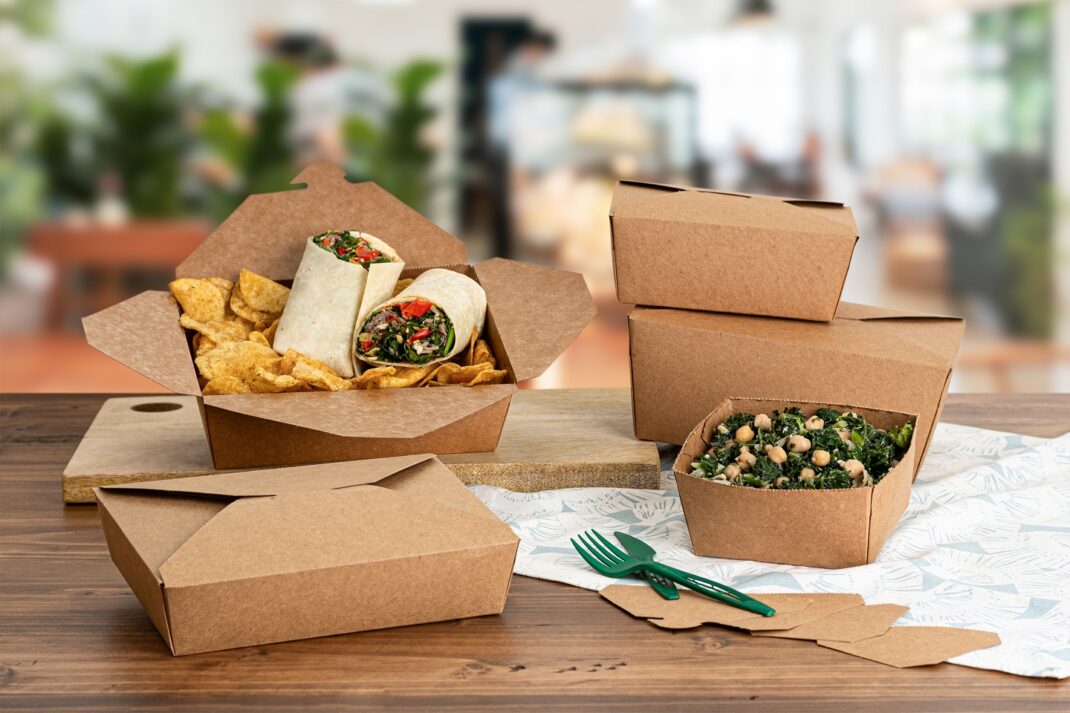
On sustainability, go to your packaging supplier and review options for switching from plastic to paper or other plant-based packaging options. Not every need can be met with paper, but many can, especially now. This will help you gain control of that growing Millennial and Gen Z spend that wants sustainable options and handle compliance with state laws and regulations. Where possible, explore your recycling and compostable options to maximize your brand’s sustainable performance.
Storytelling through packaging is a crucial strategy that requires the right partner. At Inno-Pak, we have the design and structural capabilities you need to create high-quality, impactful custom packaging. We make custom packaging for some of the largest businesses in America, and we have the in-house teams and tools to help you make your vision a reality.
Concerns about delivery thefts and order protection are high. Products like Handle Cuffs™ Tamper-Evident Bag Seals give you and your customers peace of mind. Protect your reputation with these cost-effective and robust tamper-evident solutions.
This triple threat strategy will help restaurant, convenience store, and grocery store leaders make the most of the shifts and changes to consumer expectations and packaging performance. In the end, the bottom line is that those food brands that will win are those that know how important food packaging is to their brand’s presence and performance.